Celebrating Citizen Scientists Spring is finally here and with it comes Citizen Science Day on April 14th! Join us in celebrating the amazing work of citizen scientists like yourselves from around the world! In this second installment of our Volunteer Spotlight series, you’ll meet a few more of the people behind the projects and hear
Spring is finally here and with it comes Citizen Science Day on April 14th! Join us in celebrating the amazing work of volunteers like yourselves from around the world! Special Volunteers At CitSci.org, we are inspired by the work volunteers do for their projects! We’d like to take this opportunity to share some inspirational stories
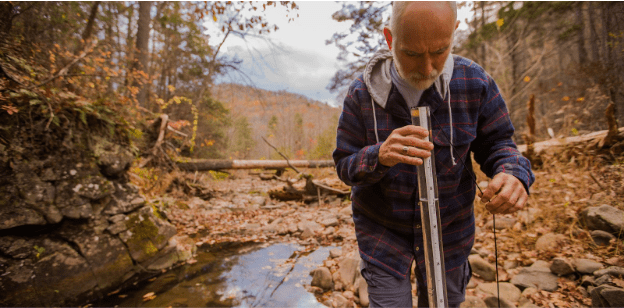
What is Stream Tracker? As spotlighted in our March Newsletter, Stream Tracker is a citizen science project funded by the National Aeronautics and Space Administration (NASA) Citizen Science for Earth Systems Program. It is run out of the Department of Ecosystem Science and Sustainability (ESS) at Colorado State University in Fort Collins, CO. Stream Tracker studies intermittent streams – i.e., streams
By: Dr. Stacy Lynn, Natural Resource Ecology Lab, Colorado State University *Special thanks to Dr. Paul Strode and Dr. Cecilia Hennessy for encouraging us to update and improve this piece. Developing a hypothesis is a natural step in scientific inquiry, generally follows the development of a research question and functions as a tentative answer to
Written by: Ellen Eisenbeis and Stacy Lynn Why is My Research Question Important? Setting your project up for success involves developing a research question that is clear, concise and achievable. This can be challenging, but is an essential step to creating a quality study. According to Jane Agee’s work on developing qualitative research questions, poorly
Hundreds of projects all over the world use the CitSci.org platform to build and grow their citizen science projects. Citizen science is the process of engaging the public in science research. Citizen science projects most commonly form around scientific questions that cannot be answered by scientists alone. In our Project Spotlight series, you’ll meet the
Laura McDuffie is a faculty member in Geography and Environmental Studies at the University of Alaska Anchorage and her boots are always muddy from wading through the mud in search of boreal birds. She runs a citizen science project every spring that engages Audubon volunteers in collecting information on wetland use by declining boreal wetland
The year is 2001 and this is Central Africa. Reports are trickling in about an Ebola outbreak. The outbreak is unanticipated. Data for tracking and predicting the spread of the outbreak are scarce. Lives are at stake. What do you do? Enter CyberTracker. CyberTracker is a downloadable desktop software application developed to assist non-literate wild
The Natural Resource Ecology Laboratory at Colorado State University seeks a motivated full-time citizen science post-doctoral fellow to serve as a senior software engineer / web developer / ecological informatics specialist to develop and integrate the software of two web platforms (CitSci.org and CyberTracker.org) for a sustainable software integration NSF-funded project. This position involves developing