Ever needed to report time spent collecting data? Good news! CitSci now supports built-in time tracking and reporting. Volunteers can log their individual hours, and project leaders can easily report total volunteer time across their projects. How Time is Collected When submitting observations, volunteers may be asked to report how long it took, or when they started or ended different activities related to
Category: How to Use CitSci.org
Blog post written by Madison Stroker, CSU undergraduate student & CitSci Support Assistant Your CitSci project doesn’t have to stop at data collection — by integrating with Zooniverse, you can invite volunteers to help classify and interpret everything that’s been gathered. Why Integrate? This powerful combination allows you to collect data through CitSci and seamlessly transfer
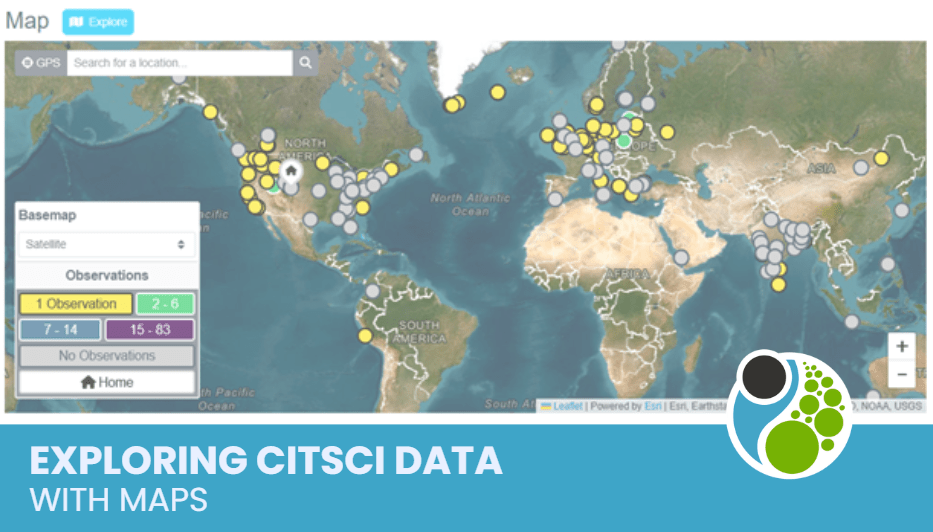
You’ve created your participatory science project and participants are reporting data on CitSci. Awesome! Now, how do you make sense of all that data? You might start by looking at it on a map (a geospatial analysis) to look for patterns, gaps, and other clues about what is happening. With CitSci, project managers and participants
Choosing how your participants record where their data comes from is one of the most important design choices you’ll make when building a project and datasheet on CitSci.org. That’s why we give you, the project leaders, flexible tools for defining, assigning, and managing sites — whether you’re working with fixed monitoring stations, participant-created sites, or
Thank you again for joining us for this quick guide series! Part one covered research questions and big picture planning. Part two covered design, data collection, and volunteer management. Part three (this post) covers results and follow-up. Once you’ve collected some data, you may ask yourself: is this result meaningful? Is it meaningful enough to
Thanks for reading our quick guide series! Part one covered research questions and big picture planning. Part two (this post) covers design, data collection, and volunteer management. Part three covers results and follow-up. Ready to start your project? Have your research questions ready? Now it’s time to think about whether you need a hypothesis. A
Welcome to our “Quick Guide” series, which should equip you with all the knowledge and tools that you need to start and manage a citizen science project! Part one (this post) covers research questions and big picture planning. Part two covers design, data collection, and volunteer management. Part three covers results and follow-up. Citizen science
Welcome to the “Citizen Science for Educators” blog! It’s a long post, meant to be a comprehensive introduction to citizen science for educators (K-12, informal/nonformal, university, and more) of all types. The table of contents, below, can help you navigate to the part of the post that you need. Background/Inspiration I’m Caroline, the communications lead
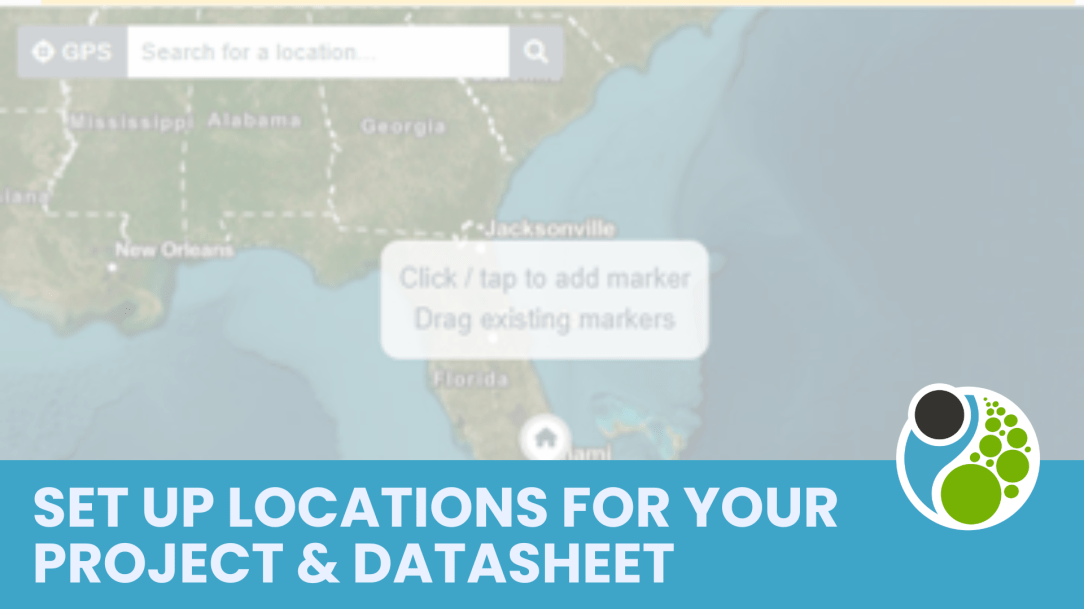
📍 This blog post is an adapted excerpt from the longer blog post entitled “Setting Up Your First Project & Datasheet”, which walks you through the first few steps of launching a project on CitSci. In this blog post, we’re just focusing on how to set up location tracking in your datasheet. When you’re designing
Thinking about launching a citizen science project? Whether you’re mapping urban wildlife, collecting community stories, or tracking environmental change, CitSci gives you the tools to make it happen. This guide will walk you through setting up your project, designing your datasheet, and making smart choices about privacy and participation—no tech background needed. Table of Contents: