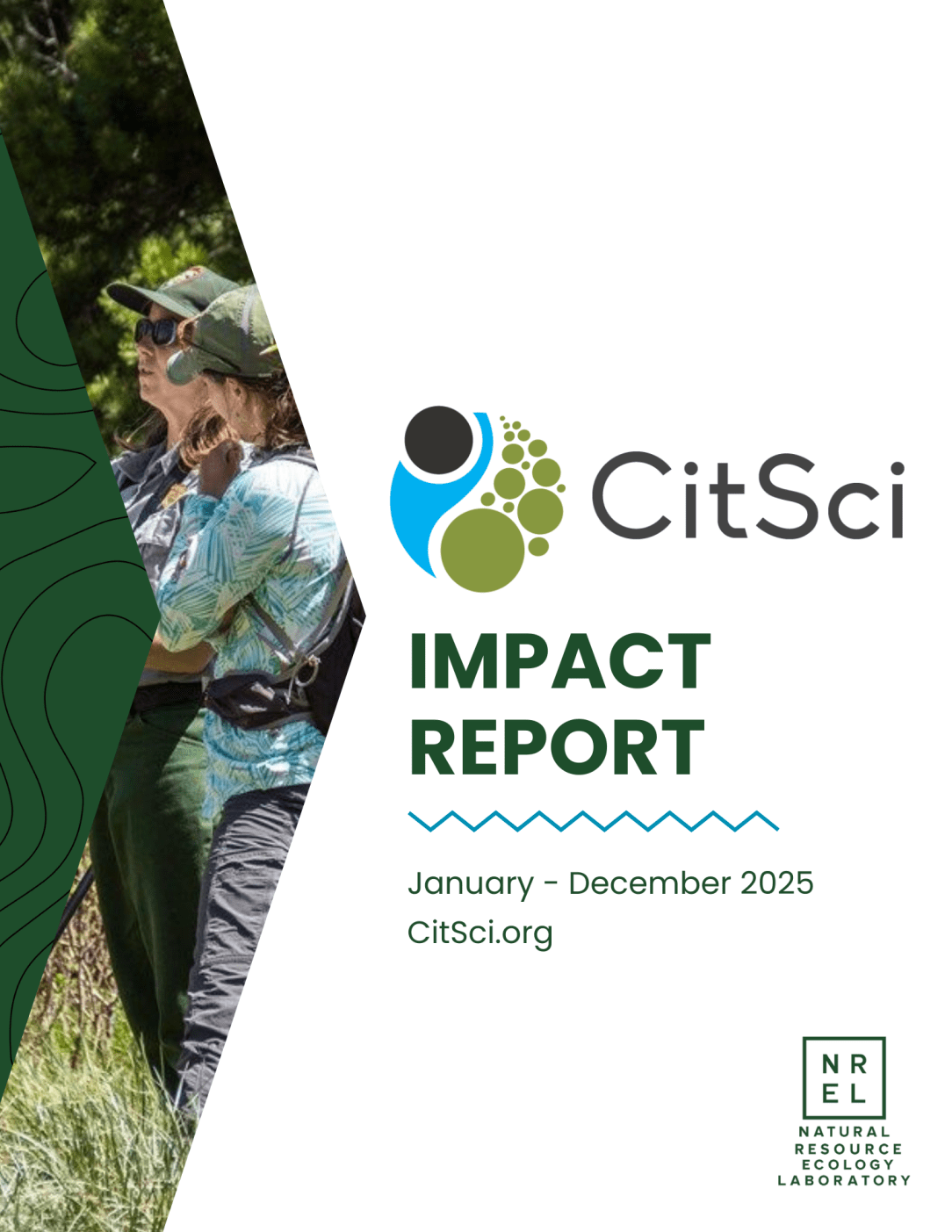
2025 was CitSci’s best year yet! Read our impact report, below, to learn more. Within the report, you’ll find: Together, these highlights reflect an academic year defined by collaboration, learning, and real-world impact. Read the full CitSci Impact Report, embedded earlier in this post, to explore the stories, people, and data behind the year. Next
Choosing how your participants record where their data comes from is one of the most important design choices you’ll make when building a project and datasheet on CitSci.org. That’s why we give you, the project leaders, flexible tools for defining, assigning, and managing sites — whether you’re working with fixed monitoring stations, participant-created sites, or
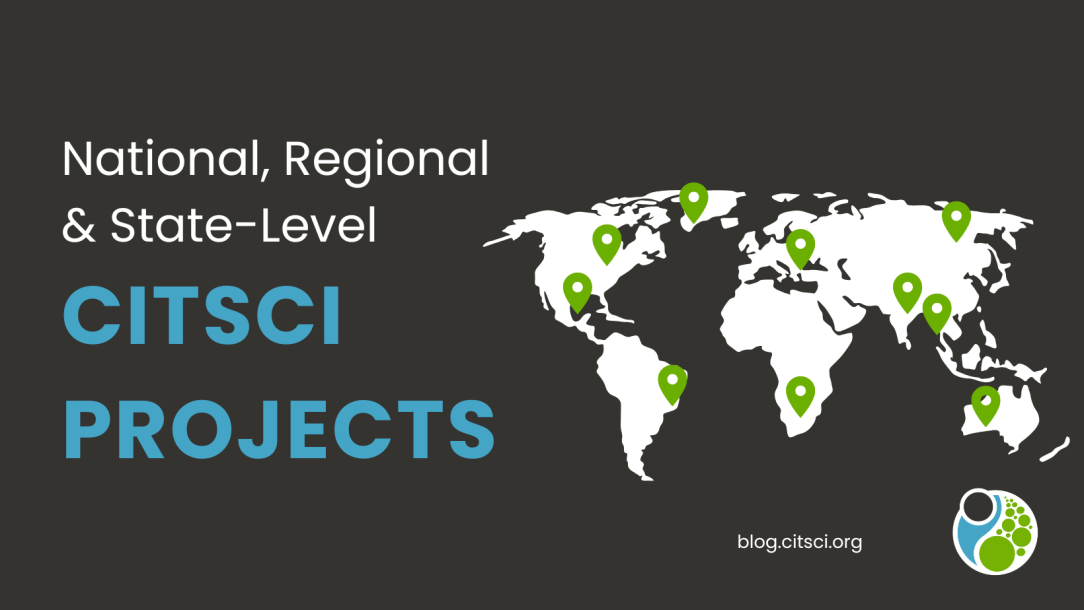
Blog post by Madison Stroker & Caroline Nickerson CitSci is an app and website that empowers people worldwide to start and join participatory science projects. The platform provides tools to create projects and datasheets, visualize results, communicate with participants, and share resources. Many projects hosted on CitSci are hyperlocal – for example, focused on one
This was originally published as the second in a series of December 2025 CitSci newsletters. Want citizen science in your inbox? Subscribe today. From code to conservation — your support powers student changemakers. Hello, CitSci community! CitSci is for people of all ages – anyone who wants to do great science. But did you know that
This was originally published as the first in a series of December 2025 CitSci newsletters. Want citizen science in your inbox? Subscribe today. Hello, CitSci community! Every year, people around the world use CitSci to turn curiosity into discovery — tracking clouds for NASA, monitoring ecosystems, and cleaning up communities. At CitSci, we give you the tools
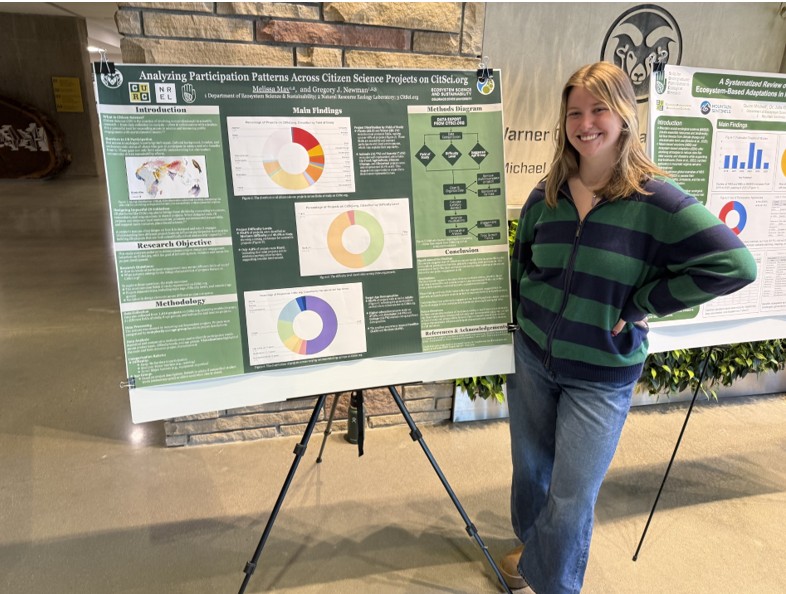
Ever enjoyed an article from the Natural Resource Ecology Laboratory (NREL)’s EcoPress? Then you have Melissa May to thank! Melissa wears many hats, but we’ll start with her academic one: she is an Ecosystem Science and Sustainability student at Colorado State University (CSU), with a minor in Political Science. Since moving to Colorado in 2018,
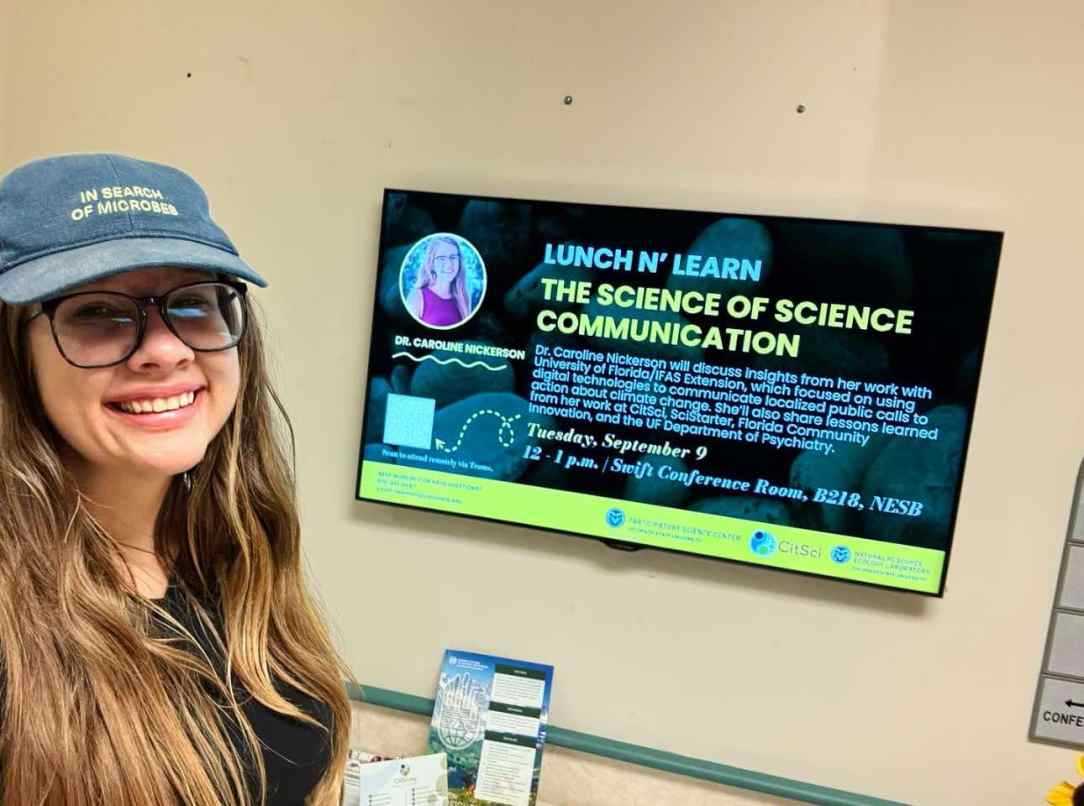
Earlier this fall, I had the chance to lead a Lunch N’ Learn at Colorado State University on a deceptively simple but endlessly complex subject: the science of science communication. Why “the science of science communication”? The phrase may sound recursive, but it reflects an important truth: communication itself can be a subject of research.
This was originally published as the July/August 2025 CitSci newsletter. Want citizen science in your inbox? Subscribe today. It’s the start of something new for many, as universities and schools alike worldwide begin a new semester (shout-out to our home institution, Colorado State University!). So, happy academic new year to all who celebrate. 🎊🎉🥳 We’re going into the
Thank you again for joining us for this quick guide series! Part one covered research questions and big picture planning. Part two covered design, data collection, and volunteer management. Part three (this post) covers results and follow-up. Once you’ve collected some data, you may ask yourself: is this result meaningful? Is it meaningful enough to