Ever needed to report time spent collecting data? Good news! CitSci now supports built-in time tracking and reporting. Volunteers can log their individual hours, and project leaders can easily report total volunteer time across their projects. How Time is Collected When submitting observations, volunteers may be asked to report how long it took, or when they started or ended different activities related to
Blog post written by Madison Stroker, CSU undergraduate student & CitSci Support Assistant Your CitSci project doesn’t have to stop at data collection — by integrating with Zooniverse, you can invite volunteers to help classify and interpret everything that’s been gathered. Why Integrate? This powerful combination allows you to collect data through CitSci and seamlessly transfer
Blog post written by Madison Stroker, CSU undergraduate student & CitSci Support Assistant Danielle Backman’s citizen science journey began during her time at Colorado State University (CSU), where she was pursuing her master’s in Anthropology with a focus on Human-Environmental Interactions. What started as an academic interest quickly turned into a hands-on experience when she
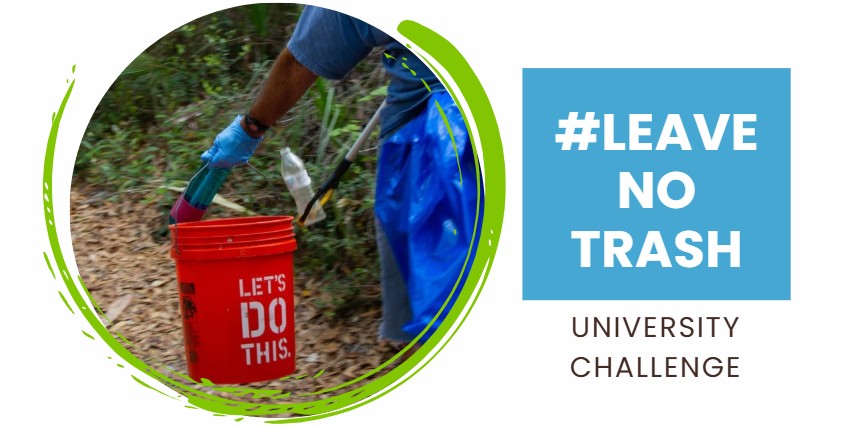
Celebrate Earth Day (April 22), CSU Natural Resource Days, and Citizen Science Month (all throughout April) with a hands-on event that combines community action and real research. #LeaveNoTrash at CSU: April 22 Event On Wednesday, April 22 at 2 PM MT, teams from CitSci, Natural Resource Ecology Laboratory (NREL), Ecosystem Science and Sustainability (ESS), and
April is Citizen Science Month, a global celebration of public participation in scientific research. As a partner of SciStarter, the leader of Citizen Science Month, CitSci is contributing acts of science. An “Act of Science” can be: Contributing data to a project. Analyzing images or datasets. Attending an event. Supporting research in any measurable way. If
Blog post written by Madison Stroker, CSU undergraduate student & CitSci Support Assistant CitSci introduced Ellen Eisenbeis to citizen science – real science anyone can do, usually by collecting or analyzing data – as she finished up her undergraduate degree in Ecosystem Science and Sustainability at Colorado State University (CSU). Ellen was deeply interested in
The #LeaveNoTrash University Challenge is a student-centered spinoff of the existing Leave No Trace #LeaveNoTrash campaign. It’s a week-long event in April, designed to build a community of people who recognize the 7 Leave No Trace principles and apply them every place people live, work, and play, including college campuses and communities. This year, Cleanup
Blog post written by Madison Stroker, CSU undergraduate student & CitSci Support Assistant Dani Lin Hunter began exploring citizen science – public engagement in scientific research – while a graduate student at Colorado State University (CSU). At first, Dani looked at citizen science with an academic lens, but soon she started to see its potential
You’ve created your participatory science project and participants are reporting data on CitSci. Awesome! Now, how do you make sense of all that data? You might start by looking at it on a map (a geospatial analysis) to look for patterns, gaps, and other clues about what is happening. With CitSci, project managers and participants
2025 was CitSci’s best year yet! Read our impact report, below, to learn more. Within the report, you’ll find: Together, these highlights reflect an academic year defined by collaboration, learning, and real-world impact. Read the full CitSci Impact Report, embedded earlier in this post, to explore the stories, people, and data behind the year. Next