
 By
By This was originally published as the July/August 2025 CitSci newsletter. Want citizen science in your inbox? Subscribe today.
It’s the start of something new for many, as universities and schools alike worldwide begin a new semester (shout-out to our home institution, Colorado State University!). So, happy academic new year to all who celebrate. 🎊🎉🥳
We’re going into the fall season fresh off a summer of exciting headlines: Science Friday and NPR’s Short Wave featured a CitSci-hosted project (the Extremophile Campaign: In the Home) focused on how household slime can fight climate change; Smithsonian Magazine spotlighted NASA’s Space Cloud Watch CitSci project; and both The Guardian and the BBC covered the wonderfully quirky CitSci favorite Gulls Eating Stuff. These stories show what we love most: people teaming up to explore and protect our world.
In this newsletter, you’ll find ways to:
- Watch & Learn — Learn how to start and grow your own CitiSci project when you RSVP for our livestreamed event with SciStarter, featuring the leaders of Space Cloud Watch, Gulls Eating Stuff, and TIC Tank Observations.
- Build Your Own Project — Dive into our complete three-part Quick Guide series, from your first research question to sharing results.
- Get Inspired — See how intern Madison Stroker used beaver dam analogs to restore wetlands in Colorado.
- Pitch In — Help our volunteer Sandy solve a data dashboard puzzle or support the next generation of CitSci student developers.
Whether you’re starting the academic year in a classroom, a lab, in your local community context, or out in the field, there’s no better time to launch something new. We’re here to help make it happen.
Livestreamed Event & Panel: How to Launch and Grow a Citizen Science Project with CitSci

Want to start your own citizen science project, or improve one you already have?
Our friends at SciStarter (the world’s largest citizen science database) are hosting a one-hour livestreamed event and panel to explore how CitSci helps anyone build, manage, and grow citizen science projects. You’ll also learn how integrating your CitSci project with SciStarter can boost visibility, recruit volunteers, and track impact.
After our short intro to CitSci and demo of the SciStarter integration at the top of the online session, the bulk of the event will consist of a panel featuring the creators of three inspiring CitSci projects (listed in no particular order): (1) Space Cloud Watch: Mapping rare atmospheric clouds for NASA; (2) Gulls Eating Stuff: Crowdsourcing gull diet photos; and (3) TIC Tank Observations: Monitoring trout tanks in classrooms.
Each project leader will share how they got started, built their data collection process, and engaged volunteers.
This online event is perfect for educators, researchers, and community organizers ready to launch a project of their own.
RSVP for the session on Zoom (August 26, 2 PM ET).
Quick Guide: Starting a CitSci Project

We’re here to make your citizen science dreams come true, including launching your own project! Our three-part Quick Guide blog series walks you through the entire process, from your first research question to sharing results with your community.
- Part One: Research Questions & Big Picture Planning — Clarify your goals, audience, and project type.
- Part Two: Design, Data Collection & Volunteer Management — Build effective datasheets, manage volunteers, and keep data quality high.
- Part Three: Results & Follow-Up — Analyze, share, and sustain your work for long-term impact.
Whether you’re a researcher, educator, or passionate community member, these guides provide the tools and strategies you need to take that first step on your CitSci leadership journey.
Citizen Science for Educators
This blog post is an introduction to bringing real-world research into learning spaces of all kinds: K–12, university, informal, and beyond.
Read on to explore:
- What research and citizen science are
- How to engage learning in data collection and analysis
- Why citizen science supports critical thinking, global citizenship, and civic engagement
- How platforms like CitSci and SciStarter can help you find or create projects
- Tips for integrating citizen science into formal classes like science, English, social studies, geography, and even school gardens!
Check it out on the CitSci blog.
Project Spotlight: Dam Good Science
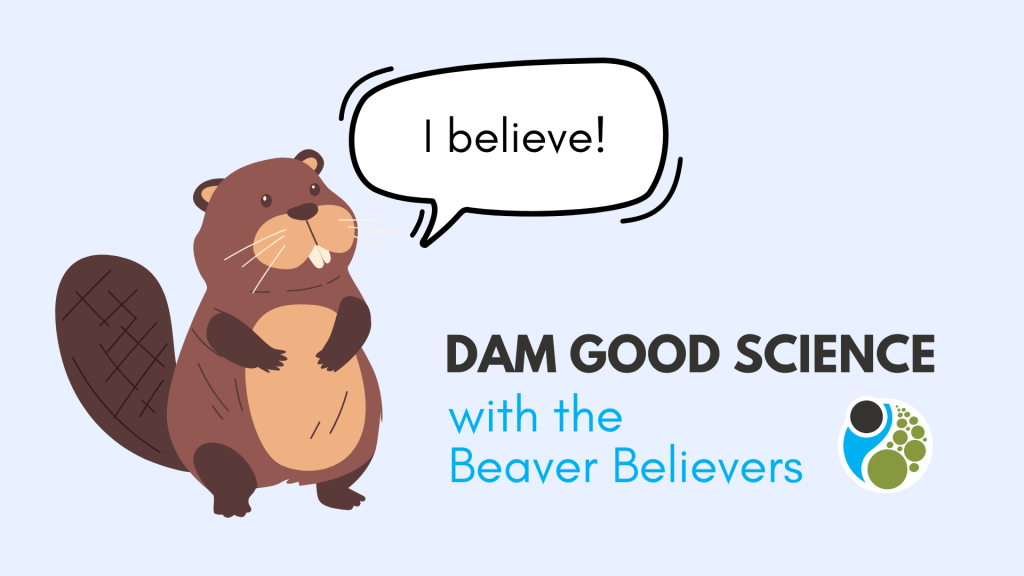
Beavers aren’t the only ones restoring wetlands. Last summer, CitSci intern and Colorado State University Warner College student Madison Stroker launched the Wetlands for Wildlife project in Summit County, CO.
Using Beaver Dam Analogs — structures that mimic beaver dams to rewet floodplains and boost biodiversity — the team mapped sites, made field observations, and engaged volunteers via CitSci’s app to verify habitat conditions. Data went straight to Colorado Parks and Wildlife to guide future restoration.
Participating organizations included CitSci, a global platform based at CSU for citizen science; Friends of the Lower Blue River (FOLBR), a nonprofit committed to conserving the Lower Blue River Valley; the Office of Engagement and Extension, CSU’s outreach and programmatic arm across the state of Colorado; and Colorado Parks and Wildlife, the state agency responsible for managing Colorado’s natural resources.
Madison is still interning with us, and we couldn’t be prouder. 💚
Volunteer Help Wanted: Looker Studio Wizardry for Citizen Science Data
Are you a data whiz? We’d love your help! One of our awesome volunteers, Sandy, is helping us assess CitSci’s impact, and she’s seeking volunteers who have expertise in Looker Studio and data dashboards. We anticipate this would be a 5-10 hour one-time volunteer commitment.
Email Caroline, our communications lead, if you’re interested in helping out: caroline.nickerson@colostate.edu
Support Students with a Gift
Help us raise $10,000 to support student software developers who want to make a difference! CitSci students gain hands-on experience in participatory science while working alongside experienced developers to improve community projects. Many have gone on to careers in nonprofits, government, and industry.
A gift of $10, $20, or more provides meaningful work and learning experiences for students—and who knows, they might be working for you one day!

 CitSci.org Blog