This was originally published as the second in a series of December 2025 CitSci newsletters. Want citizen science in your inbox? Subscribe today. From code to conservation — your support powers student changemakers. Hello, CitSci community! CitSci is for people of all ages – anyone who wants to do great science. But did you know that
Author: Caroline Nickerson
This was originally published as the first in a series of December 2025 CitSci newsletters. Want citizen science in your inbox? Subscribe today. Hello, CitSci community! Every year, people around the world use CitSci to turn curiosity into discovery — tracking clouds for NASA, monitoring ecosystems, and cleaning up communities. At CitSci, we give you the tools
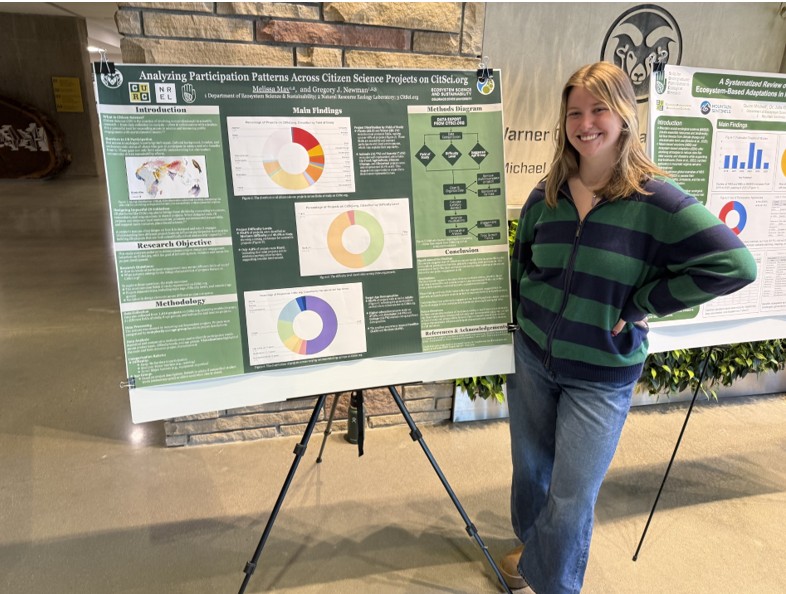
Ever enjoyed an article from the Natural Resource Ecology Laboratory (NREL)’s EcoPress? Then you have Melissa May to thank! Melissa wears many hats, but we’ll start with her academic one: she is an Ecosystem Science and Sustainability student at Colorado State University (CSU), with a minor in Political Science. Since moving to Colorado in 2018,
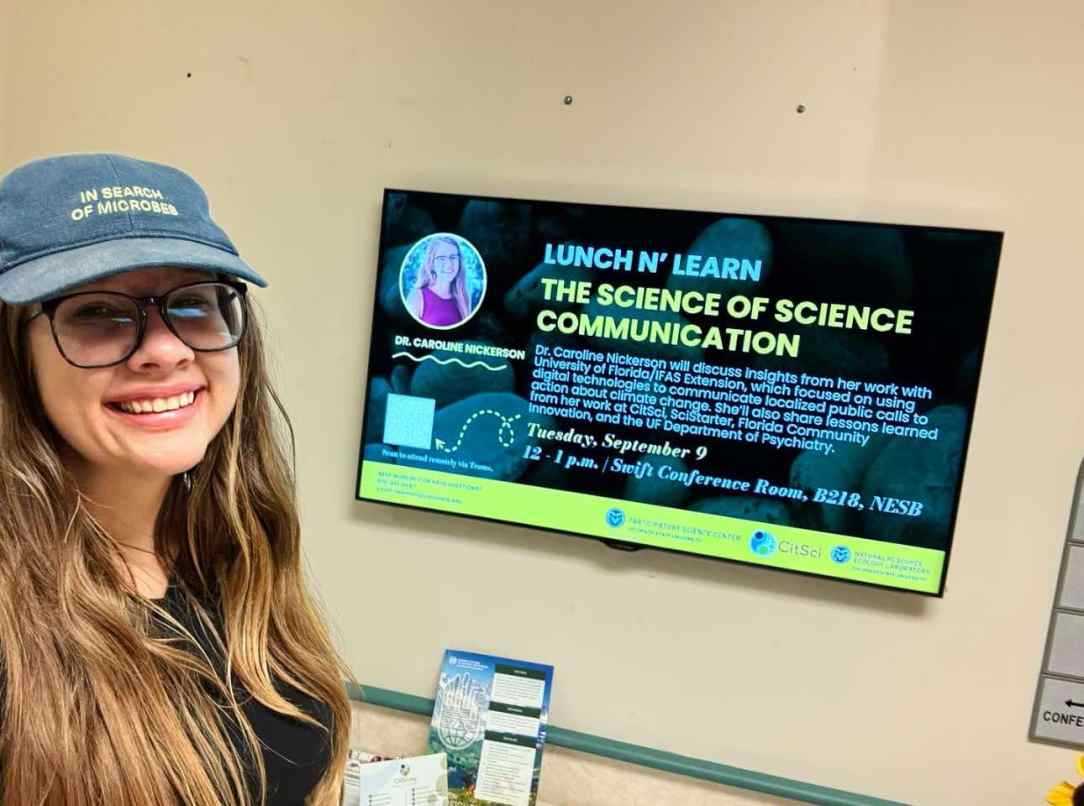
Earlier this fall, I had the chance to lead a Lunch N’ Learn at Colorado State University on a deceptively simple but endlessly complex subject: the science of science communication. Why “the science of science communication”? The phrase may sound recursive, but it reflects an important truth: communication itself can be a subject of research.
This was originally published as the July/August 2025 CitSci newsletter. Want citizen science in your inbox? Subscribe today. It’s the start of something new for many, as universities and schools alike worldwide begin a new semester (shout-out to our home institution, Colorado State University!). So, happy academic new year to all who celebrate. 🎊🎉🥳 We’re going into the
Thank you again for joining us for this quick guide series! Part one covered research questions and big picture planning. Part two covered design, data collection, and volunteer management. Part three (this post) covers results and follow-up. Once you’ve collected some data, you may ask yourself: is this result meaningful? Is it meaningful enough to
Thanks for reading our quick guide series! Part one covered research questions and big picture planning. Part two (this post) covers design, data collection, and volunteer management. Part three covers results and follow-up. Ready to start your project? Have your research questions ready? Now it’s time to think about whether you need a hypothesis. A
Welcome to our “Quick Guide” series, which should equip you with all the knowledge and tools that you need to start and manage a citizen science project! Part one (this post) covers research questions and big picture planning. Part two covers design, data collection, and volunteer management. Part three covers results and follow-up. Citizen science
Welcome to the “Citizen Science for Educators” blog! It’s a long post, meant to be a comprehensive introduction to citizen science for educators (K-12, informal/nonformal, university, and more) of all types. The table of contents, below, can help you navigate to the part of the post that you need. Background/Inspiration I’m Caroline, the communications lead
This was originally published as the June 2025 CitSci newsletter. Want citizen science in your inbox? Subscribe today. Hey from the CitSci team! It’s summer: the days are longer, the skies are weirder (hello, space clouds 👀), and it’s the perfect time to try something new in citizen science. Whether you’re scanning the horizon to